
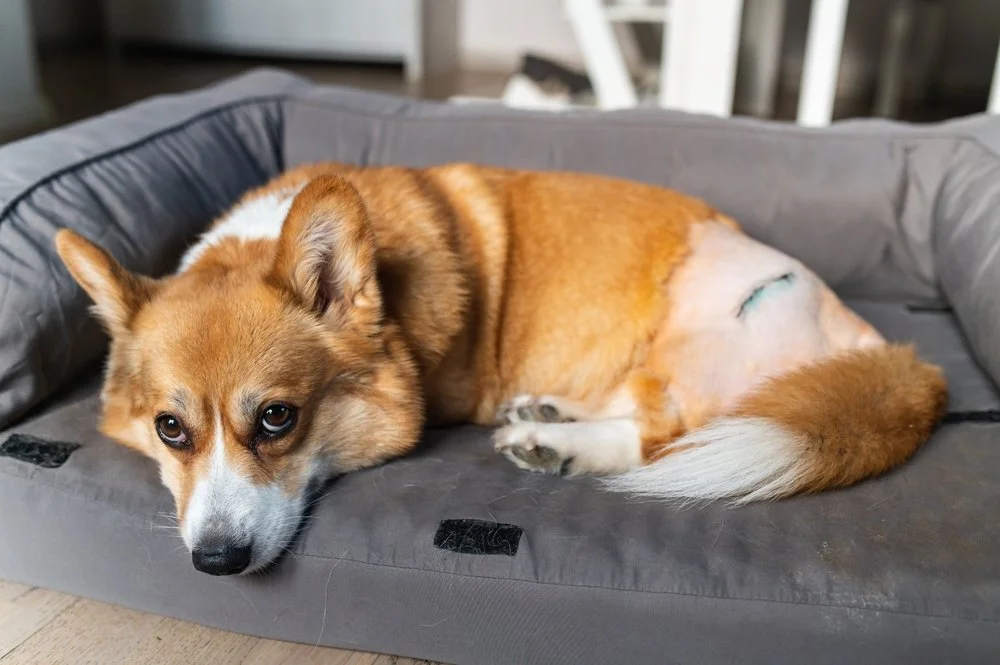
Finding out your pup needs surgery is stressful enough; realizing the recovery period overlaps with your planned vacation can be downright overwhelming. Whether it’s a routine spay/neuter or an unexpected emergency procedure, you’re likely asking the big question: Can my dog board with stitches?
The short answer is yes, but with some major caveats. Not every facility is equipped to handle a dog in "recovery mode." At Uptown Dogs, we believe that transparency and preparation are the keys to a stress-free experience for both you and your canine companion.
Here is everything you need to know about dogboarding near Whitman while they are on the mend.
The Reality of Post-Op Boarding
Most standard boarding kennels are designed for high-energy play and socialization. When a dog has stitches, their primary "job" is to stay calm and keep the incision site clean. This creates a natural conflict with the typical boarding environment.
When it’s a "Go":
The incision is dry, intact, and several days old.
Your dog is calm and doesn't require 24/7 medical monitoring.
The boarding facility offers "medical boarding" or specialized care.
When to Reconsider:
The surgery was major (e.g., orthopedic or internal organ surgery).
The incision is oozing, red, or opening.
Your vet specifically recommends "strict crate rest.”
What to Look for in a Boarding Facility
If you must board a dog with stitches, the facility choice is the most critical decision you’ll make. A "one size fits all" kennel won't cut it. Look for these specific features:
1. Medical Boarding Capabilities
Does the facility have staff trained to administer medications and recognize the signs of an infected incision? Some facilities are attached to veterinary clinics—this is the gold standard for post-op boarding.
2. Individualized Activity Plans
Your dog cannot participate in group play. Make sure the facility offers "leash-only" potty breaks and individual enrichment (like Kongs or puzzle toys) to keep them mentally stimulated without physical exertion.
3. Cleanliness and Hygiene
Stitches are a gateway for bacteria. The facility should be spotless, with a clear protocol for keeping the dog’s bedding dry and clean at all times.
Tips for a Successful Boarding Stay
Preparation is your best friend. To make sure the staff at Uptown Dogs (or any facility) can provide the best care, follow this checklist:
The "Cone of Shame" is Mandatory: Even if your dog "never licks," the stress of a new environment can trigger grooming behaviors. Provide a comfortable E-collar or a recovery suit.
Detailed Medication Instructions: Provide a clear schedule of dosages. It’s helpful to put pills in a weekly organizer or "pill pockets" to make administration seamless for the staff.
Emergency Contacts: Give the facility your vet’s number and a local emergency contact who can make medical decisions if you are unreachable.
Pack Comfort Items: Bring a familiar blanket or one of your t-shirts. The scent of home lowers cortisol levels, which is vital for healing.
Understanding the Healing Process
Monitoring your dog’s recovery is much easier when you know what to look for at each stage of the healing process. During Days 1–3, you should expect slight redness and mild swelling, requiring strict rest limited only to bathroom breaks. As you move into Days 4–7, you might notice some bruising, but the incision edges should remain firmly closed; at this point, you can introduce short, controlled leash walks. Finally, by Days 10–14, the wound will begin scabbing and stitches are typically ready for removal, allowing for a gradual return to your dog's normal activity levels.
Red Flags to Watch For:
If you receive an update from your boarder mentioning any of the following, a vet visit is necessary:
Gaping: Any separation between the edges of the wound.
Discharge: Green or yellow pus, or excessive bleeding.
Heat: The skin around the stitches feels hot to the touch.
Lethargy: Your dog is unusually sluggish or refuses to eat.
How to Help Your Dog Heal Faster
Healing isn't just about the physical wound; it's about the environment. Here are three ways to support recovery while dogboarding near Rittenhouse Square:
1. Keep Them Dry
Moisture is the enemy of stitches. If it's raining, make sure the facility has a plan to keep the incision dry during potty breaks. If the area gets wet, it needs to be patted dry immediately.
2. Mind the Movement
Sudden movements, like jumping up to greet a staff member or lunging at a squirrel, can pop a stitch. Make sure the boarding staff knows to keep your dog on a short lead and avoids stairs if possible.
3. High-Protein Nutrition
The body uses a lot of energy to knit tissue back together. Make sure your dog is eating their regular, high-quality food. Now is not the time to switch diets, as digestive upset can lead to straining, which isn't great for abdominal stitches.
Alternatives to Traditional Boarding
If your dog's surgery was particularly invasive, or if you feel the boarding environment might be too high-stress, consider these alternatives:
In-Home Pet Sitting: A professional sitter stays at your house. This keeps your dog in a familiar environment and eliminates the risk of "kennel cough" or other external stressors.
Vet Boarding: As mentioned, many vets offer boarding for patients. This is the safest bet for dogs with drains, staples, or complex medication needs.
Professional Medical Fosters: Some cities have services specifically for dogs requiring medical "convalescence."
The Uptown Dogs Difference
At Uptown Dogs, we treat every guest like family, especially those who need a little extra TLC. We understand that boarding a dog with stitches requires a higher level of vigilance, softer bedding, and a much calmer pace. We prioritize communication, so you’ll get regular updates on how the incision looks and how your pup is holding up.
Remember: Always consult your veterinarian before making the final call. If your vet gives the "paws up," we are here to make the recovery process as smooth as possible.
Ready to book your pup's stay?
Healing doesn't have to be a lonely process. If you have questions about our specific medical boarding protocols or want to tour our quiet zones, we’re here to help.