
How Do I Know If My Dog Likes Daycare? Key Signs to Watch
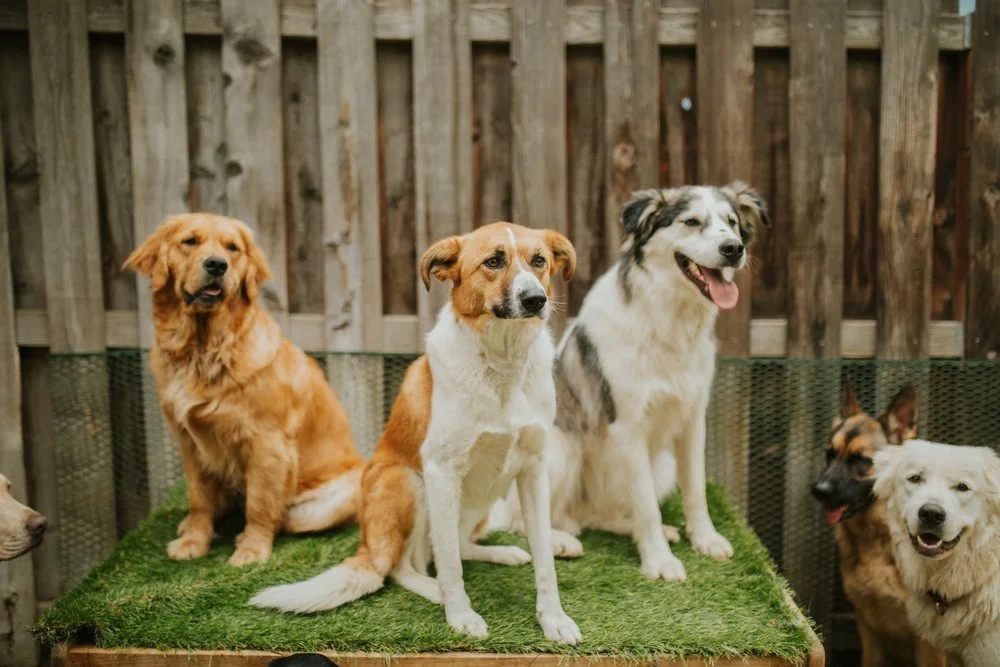
You are likely not the only person searching online for how to know if my dog likes daycare. Every responsible pet parent worries about reading a creature that cannot speak human languages. It creates stress when you hand your best friend over to strangers and hope they have fun.
You do not want to spend your day counting the minutes until you return. The truth about how I know if my dog likes daycare is simpler than it seems. Your dog is already telling you what they think through their body and mood.
You need to observe them before, during, and after each visit. This guide helps you identify the clearest signs and decide if the daycare setting is a good fit. Facilities like Uptown Dogs make it easier to track these signals because they prioritize clear communication and structured play. Looking for a safe and fun place for your pup? Dog daycare near Fishtown offers supervised play, socialization, and plenty of tail-wagging fun every day.
Is Doggy Daycare Actually Right For Your Dog?
You should pause and ask if your dog should attend daycare at all before analyzing specific signs. Doggy daycares are fantastic for some but can be miserable for others. Age, energy, and health play huge roles. Dog breeds that are highly social and possess solid play skills usually find this environment to be a good idea. Dogs that thrive in a daycare environment generally enjoy new places and meeting new faces. However, a shy dog or one with a bite history might find the chaos overwhelming.
Consider if your furry friend gets stressed by loud noises or constant movement. Professional behaviorists emphasize looking at the individual dog. Do not force them into a group just because you think you are supposed to. Daycare centers like Uptown Dogs often provide trial sessions to help determine if your dog is a good fit.
Clear Signs Your Dog Likes Daycare
You want concrete proof that your dog is happy. A cute report card is not enough. You can find the proof by splitting the day into three distinct parts: the drive there, the time spent at the facility, and their behavior once they return home. Clearest signs include excited behavior during these transition moments. If you see consistent joy across all three phases, your dog likely loves it.
1. What You See On The Way To Daycare
Your dog provides clues long before you park the car. Their body language during the commute is a primary indicator. Research indicates that signs include excited behavior as you approach the building.
Look for a wagging tail, alert ears, and bright eyes. A bouncy body as you get close to the entrance is a green flag. If your dog recognizes the route and starts to display eager excitement, that is excellent. They might whine happily or look out the window with anticipation. This positive reaction suggests they view the facility as a fun place.
On the way there:
Pay attention to how your dog reacts as soon as they hear words like “daycare” or “school.” Dogs that love daycare often perk up right away and run to the door. Dogs that feel unsure may ignore you altogether or even leave the room.
In the car:
A dog that enjoys daycare typically shows happy excitement during the drive. This can include playful whining, tail wagging, and eagerly watching out the window as you get closer. A dog that is stressed may drool excessively, pant heavily, shake, or keep their tail tucked.
In the parking lot:
Once you arrive, enthusiasm is usually very clear. Dogs that are excited to attend daycare often pull toward the entrance and can’t wait to go inside. Dogs that are uncomfortable may plant their feet, hesitate, or try to head back toward the car.
2. How Your Dog Acts With Staff And Other Dogs
You cannot stay and watch the playgroup all day. However, many facilities share pictures or clips. These help you see how your dog behaves when you are absent. A happy daycare dog repeats certain behaviors. They walk in with a loose body and greet the daycare staff warmly. They join other dogs rather than hovering alone in a corner. Facilities like Uptown Dogs emphasize friendly play as a key indicator. Happy body language includes loose, wiggly motions. Stiff movements often indicate stress or fear.
Your dog moves with loose, wiggly motions.
They join games like chase or gentle wrestling.
Their mouth looks soft and smiley.
They take breaks naturally after playing.They check in with staff but do not cling.
The tail sweeps at mid-height, signaling comfort.
You should watch for curved spines and relaxed eyes in photos. Uptown Dogs encourages owners to look for natural movement as a positive sign. Avoid wide eyes or a frozen stance, which indicate fear. A dog enjoys daycare when they look fluid and comfortable in the group.
3. What Your Dog Is Like At Pick Up And At Night
The final group of signs appears at the end of the day. This is often where owners notice the most significant changes. A content dog is glad to see you but remains calm. They should have soft features and easy breathing. Later that night, dogs that had a great day will sleep deeply. Uptown Dogs notes that solid rest is a helpful sign of a happy daycare experience.
This deep sleep implies they received healthy activity without toxic stress. Over time, you might notice broader changes in their personality. Social manners often improve, which is a benefit of well-run centers.
How Do I Know If My Dog Likes Daycare Or Is Just Tired?
Confusion between satisfaction and exhaustion is common. Tiredness can mean your dog had a great day. It can also mean they are completely stressed out.
Happy tired: relaxed face, soft eyes, slow stretching, peaceful sleep.
Stressed tired: panting at home, pacing, whining, snappy when touched.
A dog who sleeps well and wakes up as their normal self is usually fine. Staff at Uptown Dogs advise monitoring both behavior and appetite to determine this.
Signs Your Dog Might Not Like Daycare
It is difficult to accept that your dog may dislike a popular activity. Signs include:
Hiding or refusing to leave the house
Shaking visibly at drop-off
Showing teeth or growling at pickup
Reactivity at home (barking, pacing)
Stomach issues on daycare days
Staff mentions of isolation from the group
None of these signs mean the staff is failing. Often, it just means your dog doesn’t enjoy group play and that’s perfectly okay. Keep your furry friend happy and active with dog daycare near Queen Village, where social pups enjoy supervised play and plenty of attention.
How To Talk To Daycare Staff About Your Dog
You are an advocate for your pet. Asking questions is part of your job. Most daycare staff, including Uptown Dogs, are happy to share details.
Ask specific questions:
Who did my dog play with today?
How long did they play with others?
Did they spend time moving or resting?
How does their body language look during play?
Have you noticed signs of fear?
Did they hide or tuck their tail?
Visual updates help provide clarity. If staff answers are vague, press for more. You need to know if your dog truly enjoys the time there.
What A Good Doggy Daycare Looks Like
Clean and organized setup
Small, size-appropriate groups
Staff trained in dog body language
Human-to-dog ratios sufficient for supervision
Mandatory rest periods
Partnerships with veterinary clinics
Centers like Uptown Dogs follow these practices and are highly recommended for guaranteeing safe, positive experiences.
Conclusion
You started by asking how do I know if my dog likes daycare. You now have the tools to answer that question. A dog who enjoys daycare lights up on the drive, moves easily with staff, and comes home relaxed and peacefully tired. A dog who dreads it drags their feet, looks tense, or comes home wired.
Your job is to listen to them. Shape their routine around their needs. With guidance from reputable facilities like Uptown Dogs, you can make sure your dog has a safe, enjoyable daycare experience. Look for excited behavior and eager anticipation—if you see it, you’re on the right track.