
Are Dog Daycares safe?
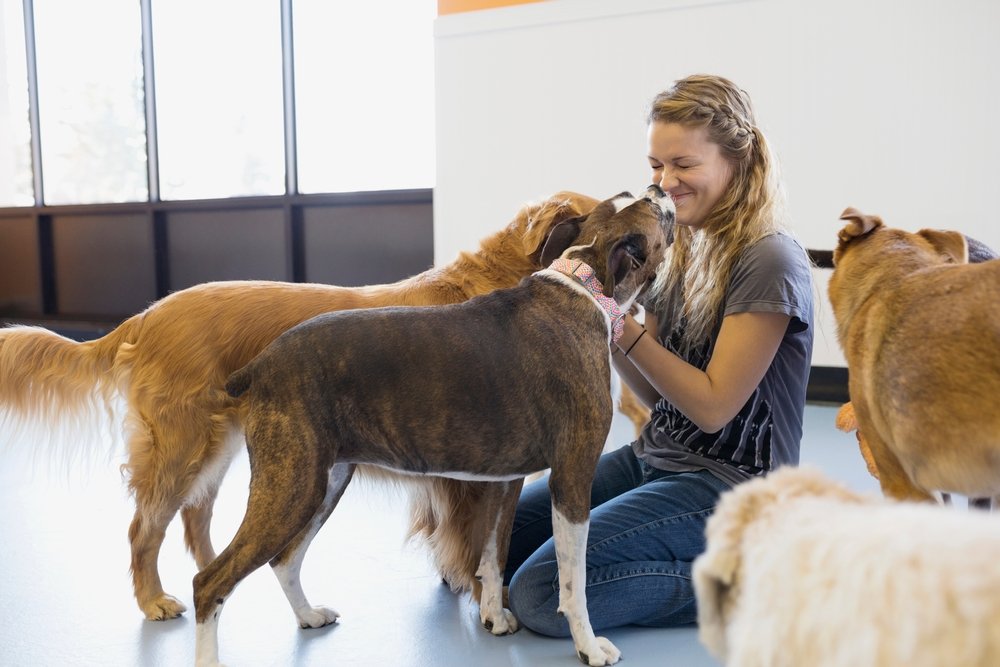
Dropping your beloved companion off at a new facility can feel stressful for even the most experienced dog owners. You likely wonder if the environment is secure and if the staff will treat your pet like family. Many people ask, "are dog daycares safe?" and the honest answer depends entirely on which facility you choose. A high-quality dog daycare operates with strict protocols to protect every animal in its care. The safety of your pet relies on supervision, cleanliness, and proper behavioral management.
The industry has grown quickly, offering options ranging from in-home sitting to large commercial centers. This means quality varies significantly between different locations and service providers. Pet parents must look past the marketing to see how a business actually functions on a daily basis. We will examine the specific indicators that separate a professional operation from a risky one. You will learn exactly what to look for before you trust anyone with your dog.
Evaluating Staff Expertise and Ratios
The individuals watching your dog act as the first line of defense against accidents or conflicts. A safe dog daycare employs staff members who understand canine behavior and group dynamics. These attendants should not just be passive observers standing in the corner of the room. They must actively manage the room and intervene before small interactions turn into problems. For example, the team at Uptown Dogs undergoes specific training in group management and canine body language, guaranteeing they can actively intervene rather than just watching from the sidelines.
Low-quality facilities often hire inexperienced workers and place them in rooms with too many dogs. Industry standards typically suggest a ratio of one human for every 10 to 15 dogs. If a dog day center exceeds this ratio significantly, safety is compromised immediately. You should ask specific questions about how many attendants will be in the room with your pet.
Training in Canine Body Language
Effective daycare staff must be fluent in reading body language and subtle social cues. Dogs communicate stress, fear, or aggression through ear position, tail movement, and posture changes. Trained staff can spot a dog that is about to snap long before a fight actually occurs. This proactive approach maintains a safe environment for everyone involved in the group.
Without this training, attendants might mistake a stiff, staring dog for a calm one. This lack of knowledge often leads to potential conflicts that could have been easily avoided. When you tour a facility, observe if the staff interrupts intense staring or mounting behavior. Good attendants redirect dogs using positive reinforcement rather than punishment or shouting.
Pro Tip: Ask the facility manager about their specific protocol for breaking up a dog fight. A safe facility will have air horns, water sprays, or specific separation tools readily available in every play area.
The Importance of Structured Play Groups
Putting thirty dogs of all sizes in one room is a recipe for disaster. A reputable dog daycare separates animals into compatible play groups based on size, age, and temperament. Small dogs can be seriously injured by large dogs even during friendly, innocent play. Facilities like Uptown Dogs reduce this risk by maintaining a dedicated 'upstairs' play area exclusively for dogs under 25 pounds, so that petite pups never have to compete for space with larger breeds. This separation prevents accidental trampling and reduces the risk of rough interactions that can occur in mixed-size groups.
Play style is just as important as size when determining where a dog belongs. Some dogs enjoy wrestling and body slamming, while others prefer chase games or gentle sniffing. Supervised play sessions should match high-energy wrestlers with other wrestlers to keep the peace. Mismatched styles often result in one dog feeling bullied while the other is just trying to play.
Older dogs often require a different environment than a six-month-old puppy with excess energy. A senior dog might want to nap on a cot rather than engage in hours of playing. A quality dog day facility provides quiet zones or separate groups for these adult dogs. This consideration for life stages protects the physical and mental wellbeing of every guest.
Facility Hygiene and Physical Safety
The physical condition of the building plays a huge role in keeping a dog daycare safe. Indoor dog daycares must use flooring that provides traction to prevent hip and knee injuries. Slippery concrete or tile can cause dogs to stretch their legs and tear ligaments during active chase games. Rubber flooring or epoxy with grit is the standard for safe play areas.
Sanitation protocols must be rigorous to prevent the spread of illnesses like kennel cough or parasites. A clean dog day environment smells neutral, not like strong chemicals or waste. Staff should be seen cleaning up accidents immediately during play sessions to maintain hygiene. Ask the management if they use heavy-duty cleaners that kill tough viruses like parvo.
Ventilation is another critical factor that dog owners often overlook during tours. Indoor dog facilities need high-quality air exchange systems to reduce airborne disease transmission. If the air feels stagnant, humid, or smells heavily of ammonia, it is a red flag. Proper airflow, like the high-performance air purification systems used by Uptown Dogs, keeps the environment healthy and comfortable for active dogs
Vaccinations and Health Requirements
A strict vaccination policy is the cornerstone of a healthy doggy daycare population. Every dog entering the facility must be up to date on core vaccinations like Rabies, DHPP, and Bordetella. Some facilities also require the Canine Influenza vaccine due to recent outbreaks in the United States. These rules exist to protect your dog from contagious diseases that spread quickly in groups.
You should be wary of any day care that is flexible or lenient about these medical records. If they let your dog in without proof, they are letting other unverified dogs in as well. A safe environment requires that all furry friends are healthy and protected before they ever step foot in the playgroup. Uptown Dogs is strict about these records to establish a safe environment.
Behavioral Assessments and Trial Days
No dog should ever be thrown directly into a playgroup on their very first dog day visit. A professional dog daycare offers a mandatory evaluation or "temperament test" for all new clients. This process allows staff to observe how the dog reacts to new humans and other dogs in a controlled setting. It is the only way to screen out aggression or extreme fear. This is why Uptown Dogs requires a behavior test for every new dog.
During this assessment, staff will look for communication skills and the ability to de-escalate conflict. A dog that cannot read social signals or bites when corrected is not a candidate for open play. Dog daycares that skip this step are prioritizing profit over the safety of the pack. The evaluation protects your social dog from aggressive dogs that should not be there.
How to Start Daycare Safely
Schedule a Tour Without Your Dog
Visit the facility alone first to observe the noise levels, cleanliness, and staff interactions without distraction.
Pro Tip: Go during the middle of the day to see how they manage active groups versus rest times.
Book a Short Evaluation Day
Let your dog attend for a few hours rather than a full day to minimize stress and prevent overstimulation.
Monitor Post-Visit Behavior
Watch your dog for signs of extreme exhaustion, limping, or behavioral changes after they return home.
Pro Tip: A tired dog is good, but a dog that sleeps for two days straight might be overly stressed.
The Benefits of Rest and Rotation
Contrary to popular belief, a safe dog daycare does not let dogs run wild for twelve hours straight. Continuous play without breaks leads to overstimulation, crankiness, and fights. A structured dog day schedule includes mandatory rest periods where dogs are separated or crated for downtime. These breaks allow cortisol levels to drop and prevent the pack frenzy that occurs when dogs get overtired.
Puppy daycare programs specifically need these breaks to protect growing joints and developing brains. If a facility claims to offer "all day play" with zero crate time, consider that a warning sign. Mental stimulation comes from structured activities, not just endless running. A balanced schedule makes sure you pick up a happily tired dog, not an exhausted and irritable one.
Is Daycare Right for Every Dog?
Even the best doggie daycare is not the right fit for every single personality type. Some dogs are naturally solitary or prefer the company of humans over other dogs. Dog parents need to be honest about whether their pet actually enjoys the experience. A dog with severe separation anxiety might panic in a loud group setting, making the anxiety worse.
Puppy start daycare programs can be great for socialization, but timing is everything. You should wait until your vet clears your puppy for group play, usually after their second or third round of shots. Forcing a shy or fearful dog into a busy dog park style environment can cause long-term behavioral damage. It is perfectly okay if your dog prefers a solo walk instead of group play.
Owners should also consider that dog daycares are high-arousal environments. Dogs that like to test boundaries or bully others may be dismissed from high-quality facilities. This dismissal is actually a sign of a good business that prioritizes the safety of the group over revenue. If a daycare offers feedback that your dog isn't enjoying it, believe them.
Understanding the Limits of Liability
When you sign a contract with a dog daycare, you will likely see waivers regarding injuries. While facilities do their best to prevent issues, dogs play with their teeth and claws. Minor scratches or nicks can happen even during appropriate play between best friends. However, serious puncture wounds or bite incidents are not normal occurrences in a well-managed dog day center.
Pet owners should ask how the facility handles medical emergencies. Do they have a relationship with a local vet, and will they transport the dog immediately? Knowing the emergency protocol gives you confidence that your dog is in capable hands. A transparent facility will always inform you of even minor scrapes when you pick up your family members.
So, are dog daycares safe? The answer lies in the specific policies, staffing, and culture of the facility you select. A dog daycare that invests in trained staff, maintains strict hygiene, and manages play groups carefully can be a wonderful resource. It provides mental stimulation and exercise that is hard to replicate at home.
However, dog owners must remain vigilant and do their homework before dropping off their pets. If you are searching for a safe dog daycare in Philadelphia, use these indicators to confirm the facility prioritizes safety over capacity, providing your dog with a fun, enriching experience. Contact us today for more information on dog daycare safety.